01 · 8 MIN · BEGINNER
Meet the seven notes
Open the harmonium, find Sa, and hear how the home note anchors a melody.
→A gentle, hands-on music journey for children: listen, follow the notes, practise at your own pace, and sing along with confidence.
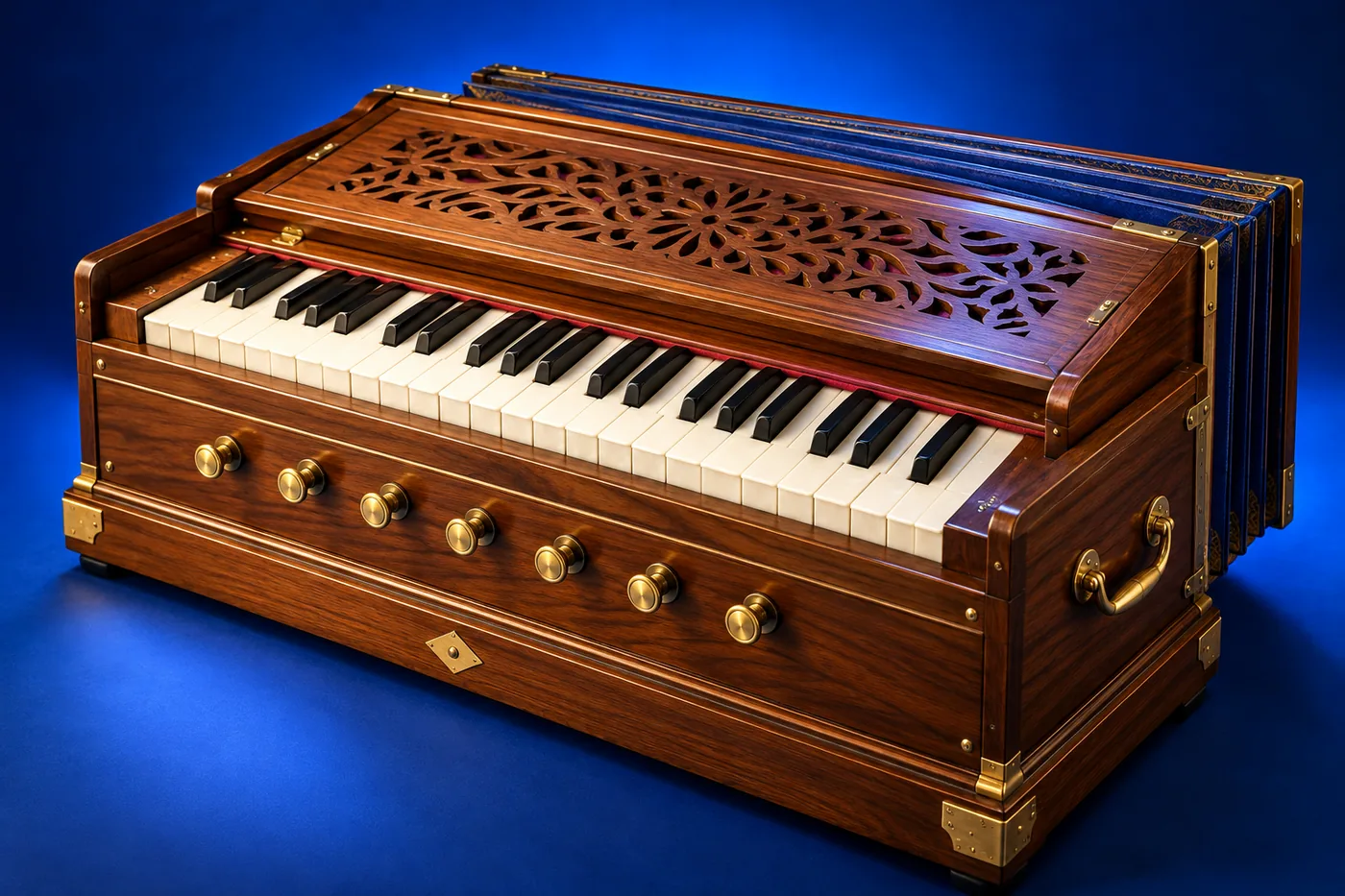

Every lesson has notes you can play, Gurbani checked word for word, and a matching tool or Shabad. 15–20 minutes a day is enough.
12 lessons · 1–2 months
8 lessons · 2–3 months
8 lessons · 3–4 months
7 lessons · A lifetime
These four mini-lessons are the first taste of Level 1 of the full course. They use D as Sa.
Open the harmonium, find Sa, and hear how the home note anchors a melody.
→Learn three short timed phrases, one at a time, from the printable starter sheet.
→Practise one phrase slowly with the glowing keys, then join the three together.
→Join clear words, a steady breath and a comfortable melody.
→Big keys, clear sounds, and one friendly phrase at a time. Tap any note below, or let the lesson play the pattern slowly.
Thirteen tools that work on any phone or computer, in English and Punjabi. Nothing is uploaded.
Choose an audio or video file from your device. The Key Finder follows the melody and shows the harmonium keys in Sargam, Gurmukhi, and Western note names. Your Gurbani Kirtan audio stays on your device.
“One note at a time, the Shabad finds a home in the heart.”Listen · learn · sing together
Every chapter is already free here as a lesson. Follow the WhatsApp channel to hear when the book and the Riyaz Diary are ready.
See the part. Hear what it does. Tap a label to learn its name, job, and what a young learner should do.
Your left hand moves the outer bellows to send air inside. Use a long, gentle stroke; the bellows hand gives air while the other hand chooses notes.
Sit on a cushion or chair—choose what feels steady. Keep the harmonium stable, your shoulders soft, and the playing wrist level. Stop if anything hurts; ask a grown-up to adjust the height.
A grown-up should help with latches, unfamiliar stops, or moving a heavy harmonium. Never touch the reeds inside.

Keep the elbow gently bent. Rest the thumb on the upper-left wooden corner; use the index, middle and ring fingers to move the bellows.
Curve your fingers softly. Press each key with the finger pad, using only a little pressure.
Black keys repeat in groups of two and three. C is the white key just to the left of a pair. Tap any key to hear it. This is a note map; these starter lessons use D as Sa.
Rest your thumb on the upper-left wooden corner. Use the index, middle, and ring fingers to move the bellows with a gently bent elbow.
Chooses and gently presses the notes. Keep fingers relaxed and close to the keys.
With one main stop open, hold a comfortable note. Move the bellows slowly for four long counts; do not pump on every note. If the tone wobbles, slow down and make the stroke smaller.
With a grown-up nearby, open one main stop, press one comfortable key, and count slowly to eight. Keep the air and sound as even as you can. This web demo plays a reference Sa; your real harmonium is the practice instrument.
ਵਾਹਿਗੁਰੂ ਜੀ ਕਾ ਖ਼ਾਲਸਾ, ਵਾਹਿਗੁਰੂ ਜੀ ਕੀ ਫ਼ਤਹਿ
ਸਾਧ ਸੰਗਤ ਜੀ, ਅੱਜ ਆਪ ਜੀ ਕੀ ਕਰਨਾ ਚਾਹੋਗੇ?
What would you like to do today?
 ਹੱਥ ਧੋ ਕੇWash your hands
 ਸਿਰ ਢੱਕ ਕੇCover your head
ਬਾਣੀ ਪੜ੍ਹੋ ਜੀ · then read Gurbani with love
You can switch any time with ਕੀਰਤਨ | ਪਾਠ at the top of every page.